

The database world grew up — notes from Percona Live Amsterdam
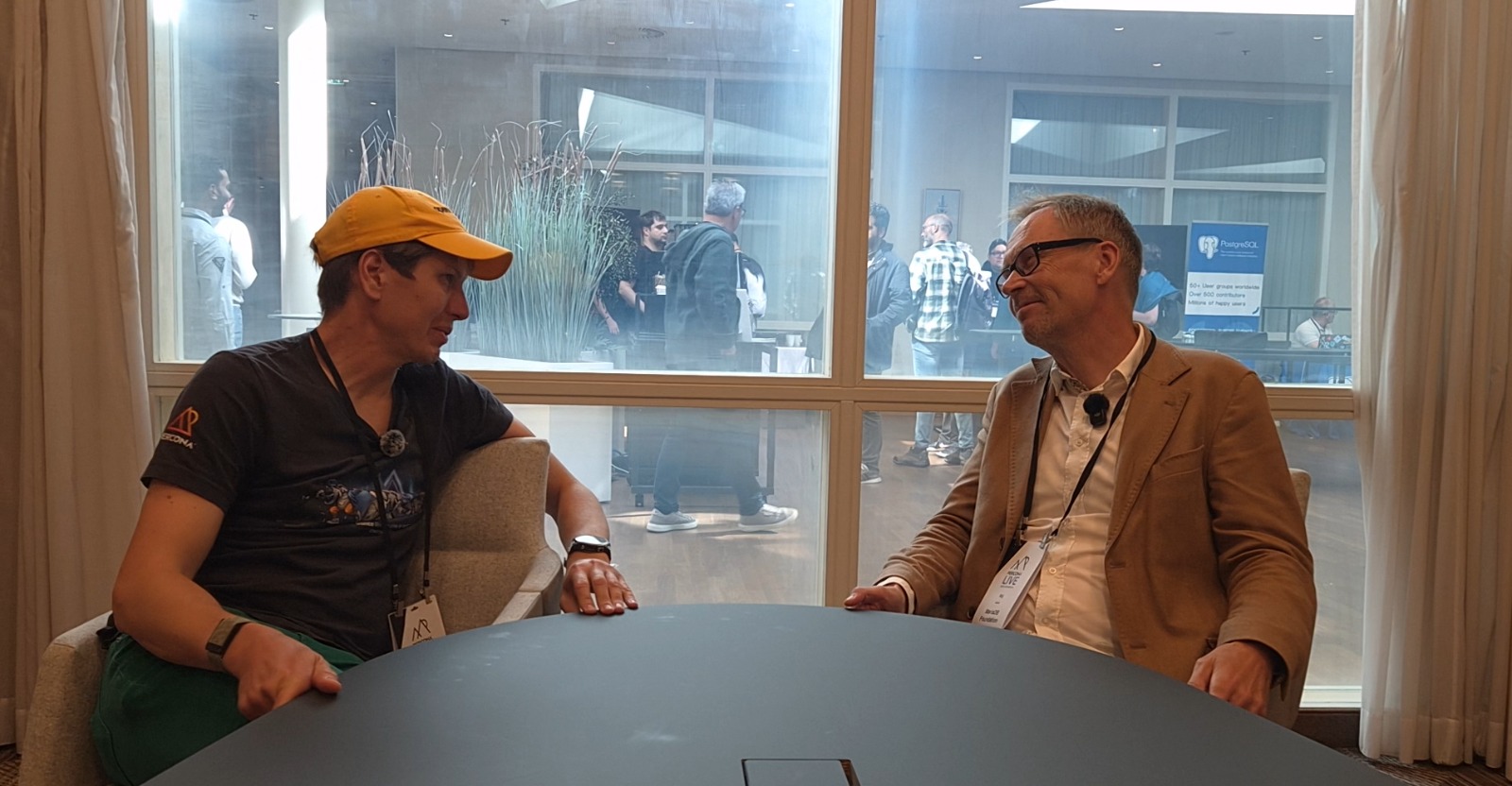
Last week I spent a few days in Amsterdam at Percona Live. It was the first Percona Live in Europe since before the pandemic, and you could feel it in the room: a slightly disbelieving happiness at simply being together again. Peter Zaitsev put it well when we sat down afterwards — nobody was quite sure what to expect, and it turned out to be a great event precisely because everyone had missed this.
I have been around since the early days of MySQL, long enough to have watched a good many people come and go. So let me use that vantage point to name what struck me most. It was not a feature, nor a benchmark. It was maturity. The open-source database world has grown up — from tribal competition into confident cooperation. And the timing is telling: just as AI makes writing code easier, this very human kind of maturity throws the scarce things into relief — judgment, experience, and the ability to decide what belongs in a project.
Still finding the hair in the soup — but what happens next has changed
There is a German expression for a certain kind of technical debate — ein Haar in der Suppe finden, to find the hair in the soup – consciously looking for something irritating or bad, even if things are OK in the grand scheme. It would be a mistake to read maturity as everyone going soft. Good open-source communities should find the hairs in one another’s soup: that is what review, benchmarking, criticism and bug reports are, and a field that stopped doing it would be dying, not maturing. Peter, in fact, picked a few hairs out of our soup during our conversation — on trademark and governance — and he was right to.
What has matured is what happens after someone finds a hair. Years ago that discovery was a triumph, a gotcha, the house style at these events: let the best database win by pointing out, loudly, everything the other fellow got wrong. Peter was once a grandmaster of the genre. This time he chaired a panel with two competitors, and everybody was smiling. When I teased him about mellowing, he shrugged: “Maybe I’m getting old, Kaj.”
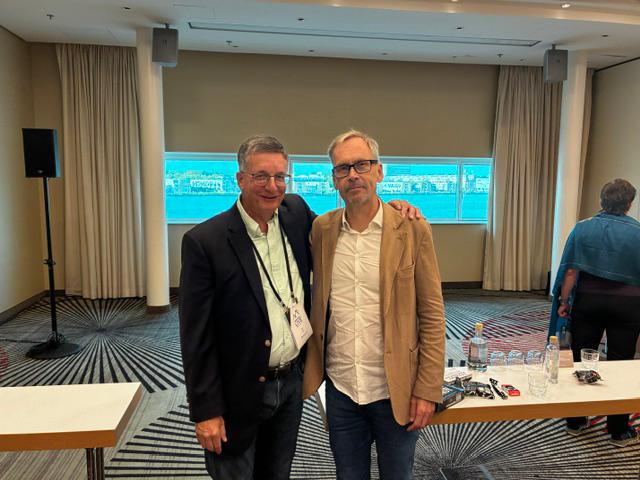
Perhaps. Or perhaps the whole field grew up. Percona is twenty years old this year, and Tom Basil — my esteemed colleague from MySQL AB days, now a Percona board member and their much-loved grandfather figure, comfortably past seventy — was there in person. Tempi passati. Peter’s own principle, stated plainly, was that Percona wants to win “because they’re best, not because they’re the best liars.” Invite everyone, let each make their pitch and show their evidence, and let the user choose. That is not softness. It is confidence — and from where the MariaDB Foundation sits, that climate matters more than any single release, because adoption, openness and continuity grow in it.
When code is cheap, judgment is dear
The most quietly profound thing said all week came from Hannes Mühleisen of DuckDB, on Peter’s panel. AI, he noted, is accelerating everything — but the genuinely hard part is no longer producing a plausible patch. It is knowing whether to accept one. The code doesn’t just look acceptable; it looks more than reasonable. Judging whether it truly fits the architecture and the vision of the product — that is the scarce skill now.
This is the same maturity, seen from the engineering side. At the Foundation we have already taken vibe-coded contributions, improved them, and shipped them within genuinely fundamental parts of MariaDB Server. We are not short of people who can press “accept” with judgment — Monty, Sergei Golubchik, and a handful of others who hold the whole picture in their heads. That judgment, not raw output, is what a healthy project runs on. It is worth asking, plainly, which projects will still have it in five years.
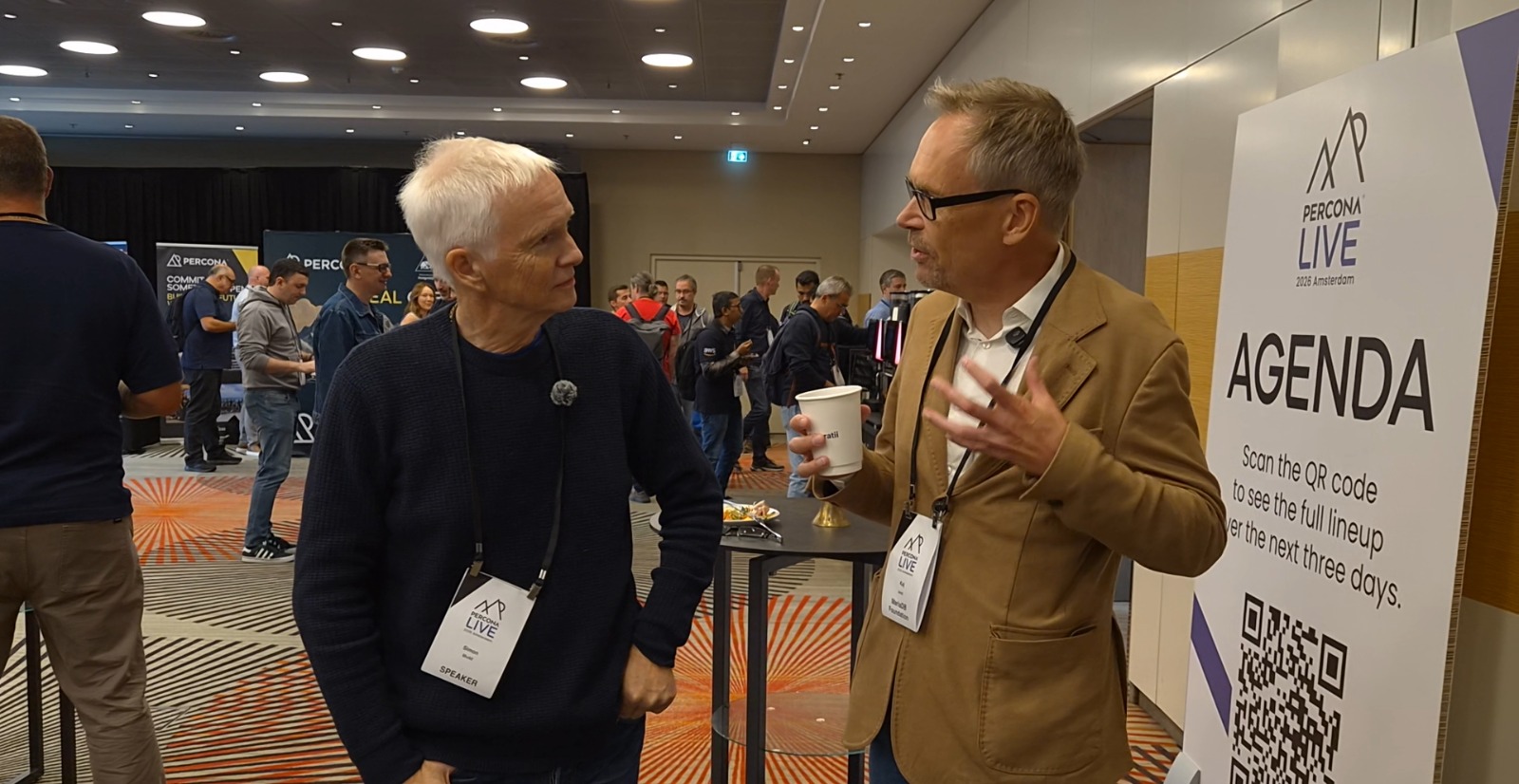
Experience is the other scarce thing, and Simon Mudd and Andrew Moore made the case beautifully in a talk cheerfully titled “Congratulations, You’re Now a MariaDB DBA.” Their theme was humbling and true: your hard-won muscle memory acquired with MySQL has expired when dealing with MariaDB. The cheat sheet that saved you in 2004 is wrong today, and today’s cheat sheet will be wrong in two years. “Most of the skill comes from failure,” Simon said. They walked through the real differences between MariaDB and MySQL — replication and GTIDs that look compatible but aren’t; MySQL’s clone plugin, which Simon misses in MariaDB; and, on our side, instant and very fast DDL, and system-versioned tables, a feature people love once they find it and mostly haven’t found yet. Generous with kudos and generous with the hairs in our soup: the best kind of feedback.
The technology, briefly
Because it is genuinely good news: Steve Shaw‘s HammerDB work has made MariaDB in the 12 series over two and a half times faster, putting it among the quickest databases going. Native vector search is real and usable. The storage-engine architecture keeps paying off — you can use DuckDB as a storage engine, or plain CSV — and the analytical engines, ClickHouse and DuckDB among them, increasingly define the neighbourhood we all live in. These are the differentiators worth talking about, and Percona’s Tarus Balog, now running their MariaDB business, is refreshingly keen both to talk about them and to get onto the contributor list. Competition of that kind is a gift.
The people
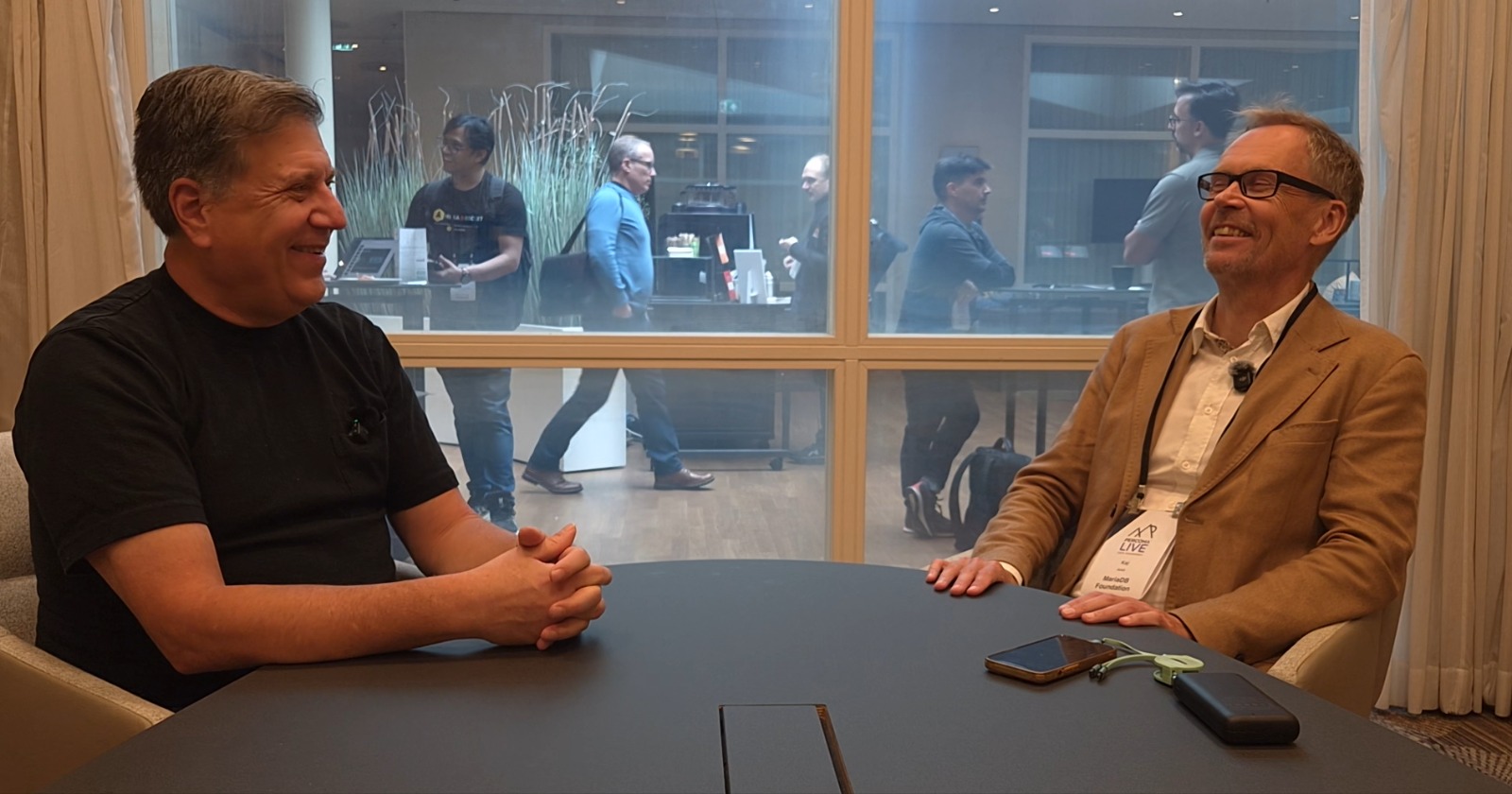
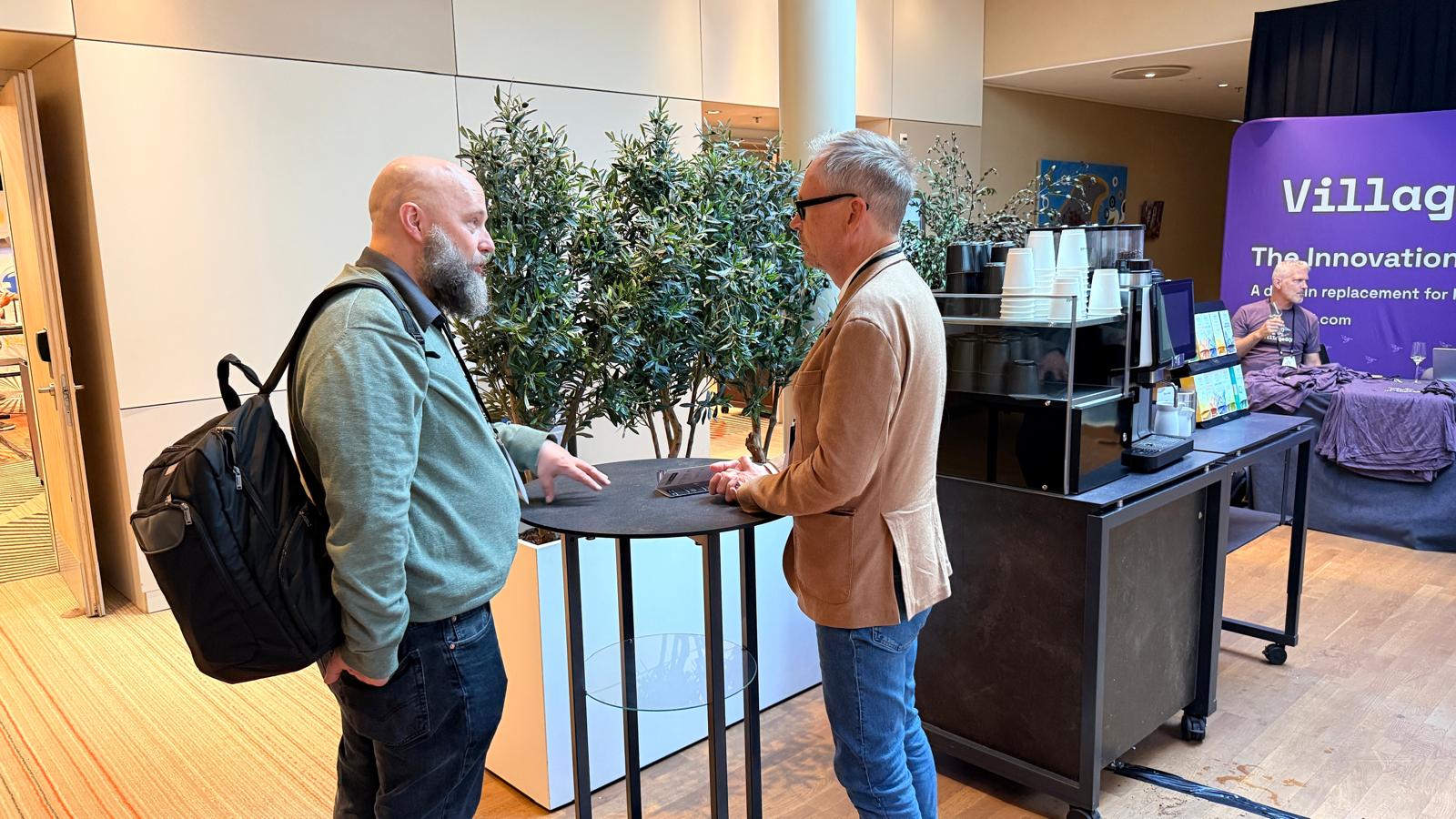
The recap would be dishonest without the human part. I had a long and easy conversation with Henrik Ingo at Oracle — an old friend, and proof that the lines between “camps” are drawn far more softly than the internet imagines. I talked with the AWS folk, with Tarus and Peter and many others, and I was interviewed by Richard Speed of The Register, who asked me what I made of the conference — a question this whole piece is really my attempt to answer.
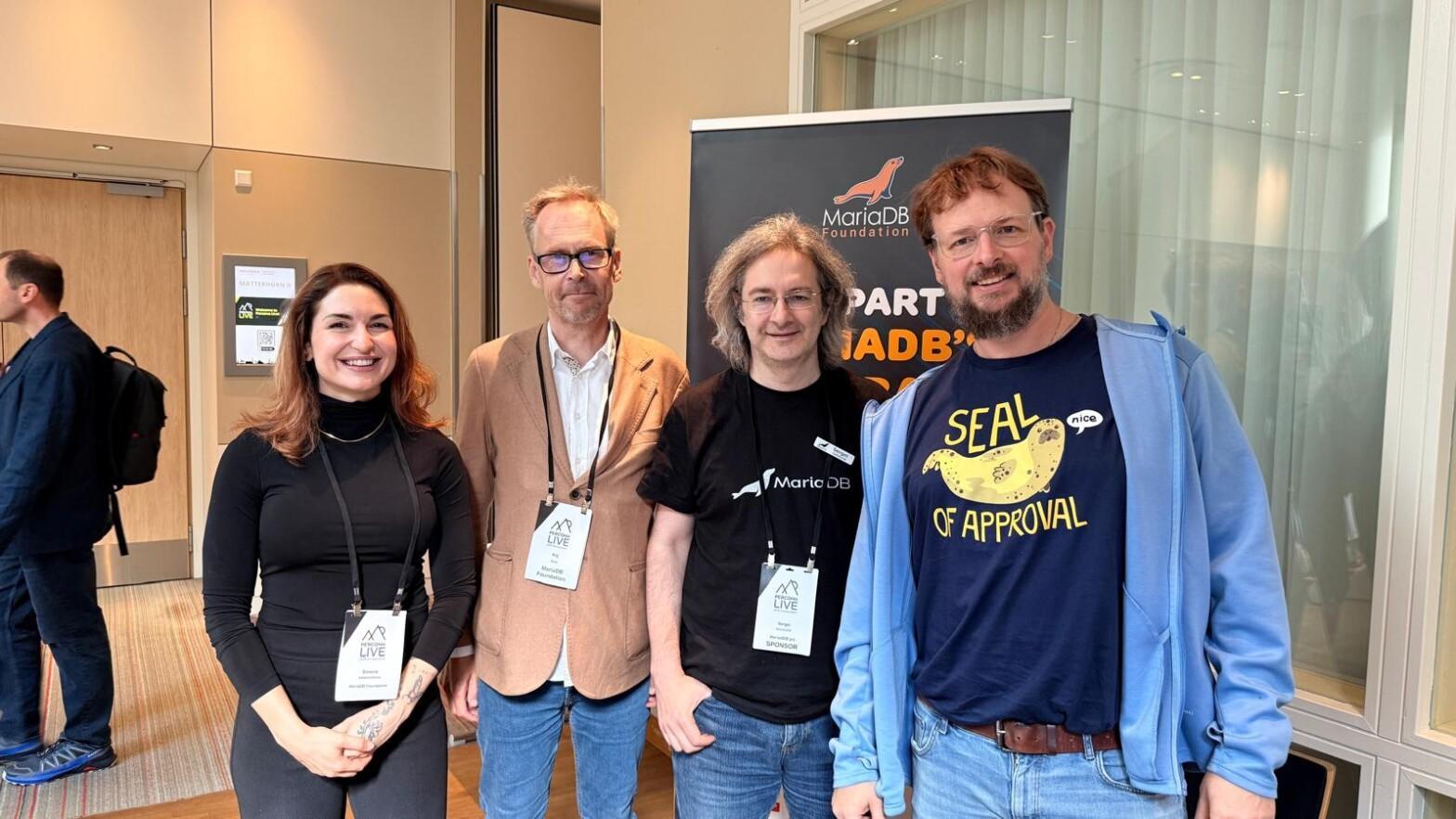
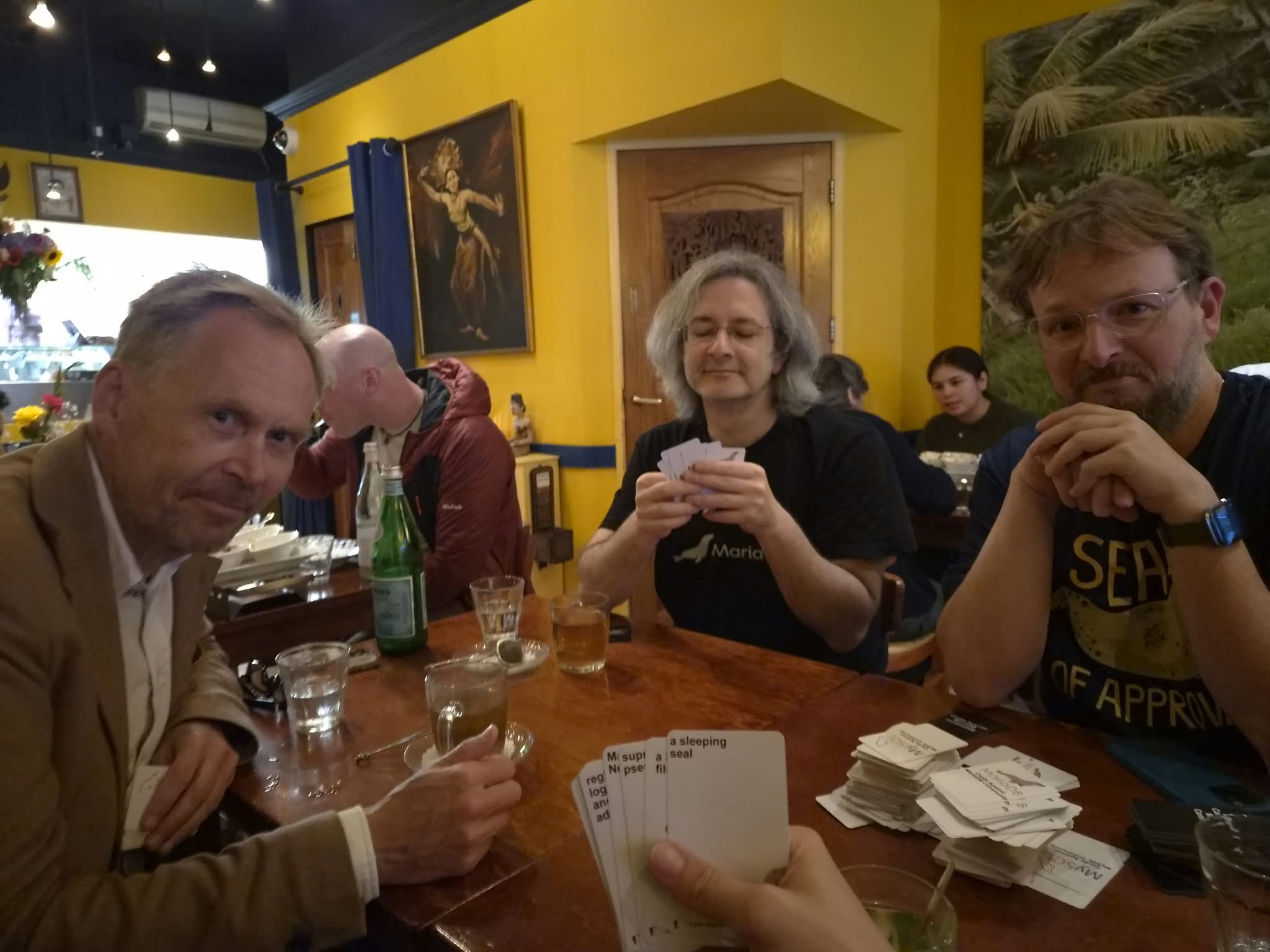
And for the first time in a while, the Foundation’s own people — lefred, Simona Alexandrova, Sergei and I — were simply in the same room and had a number of pleasant meals together, which does more for a small organisation than any number of video calls.
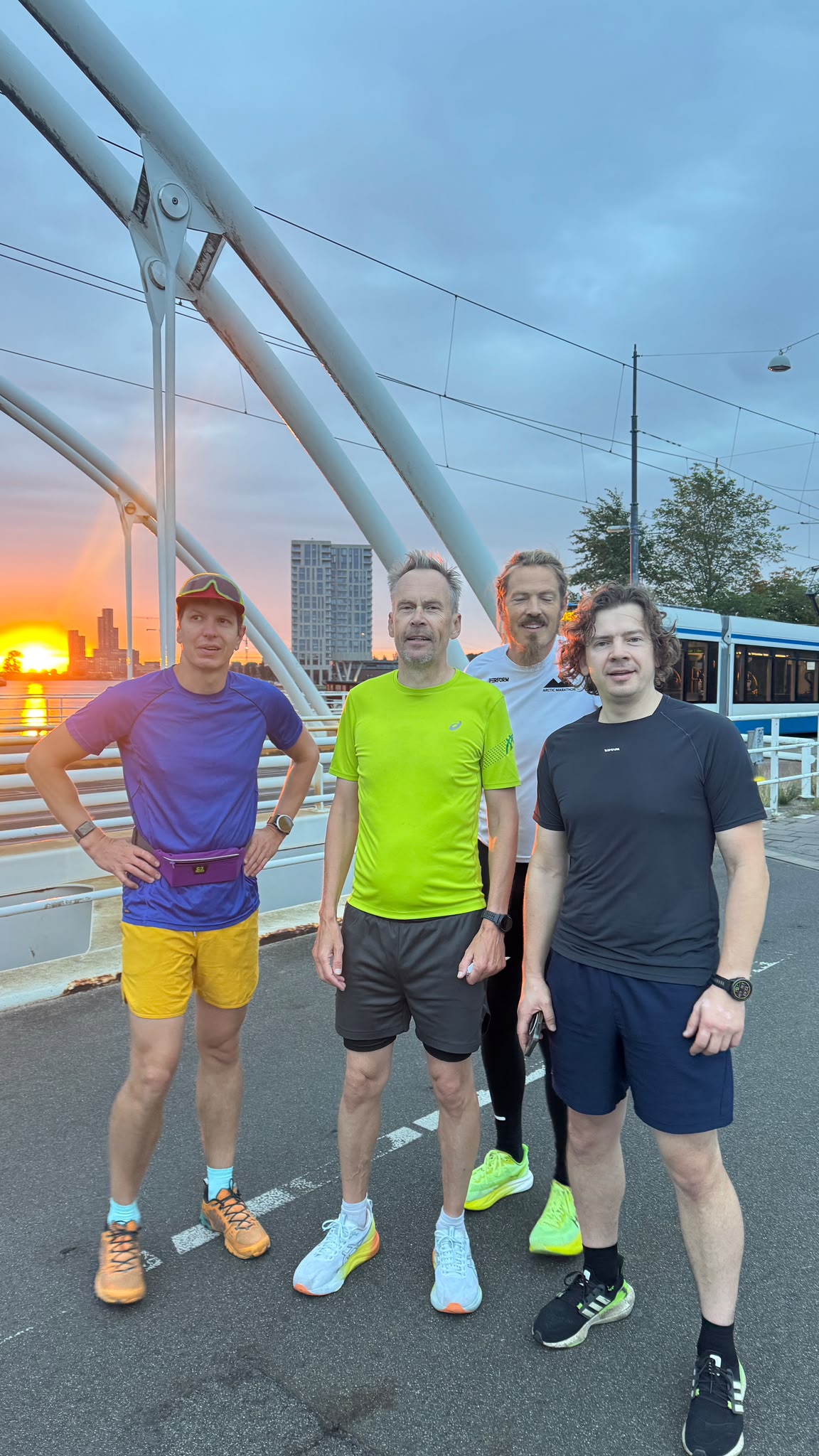
The best of it, though, was a morning run hosted by Iryna Smolina with Geeks Go Peaks — Peter Zaitsev, Daniël van Eeden and a cheerful handful of others. I have run over 100 km every month for fifteen years, and I have never once had a bad idea while running. Somewhere along the canals it occurred to me that this — competitors sweating side by side at seven in the morning, arguing amiably about roadmap priorities — is the cooperation I keep talking about. The panels are the visible version. The run is where the cooperation is actually built.
We will keep finding the hairs in each other’s soup, I hope. That is the work, and long may it continue. What has changed — what grew up — is the grace with which we hand the bowl back.
