
Author: Frédéric Descamps
-
Migrating a 500 GB Production MariaDB Database from Amazon RDS to EC2, With a Rollback Path
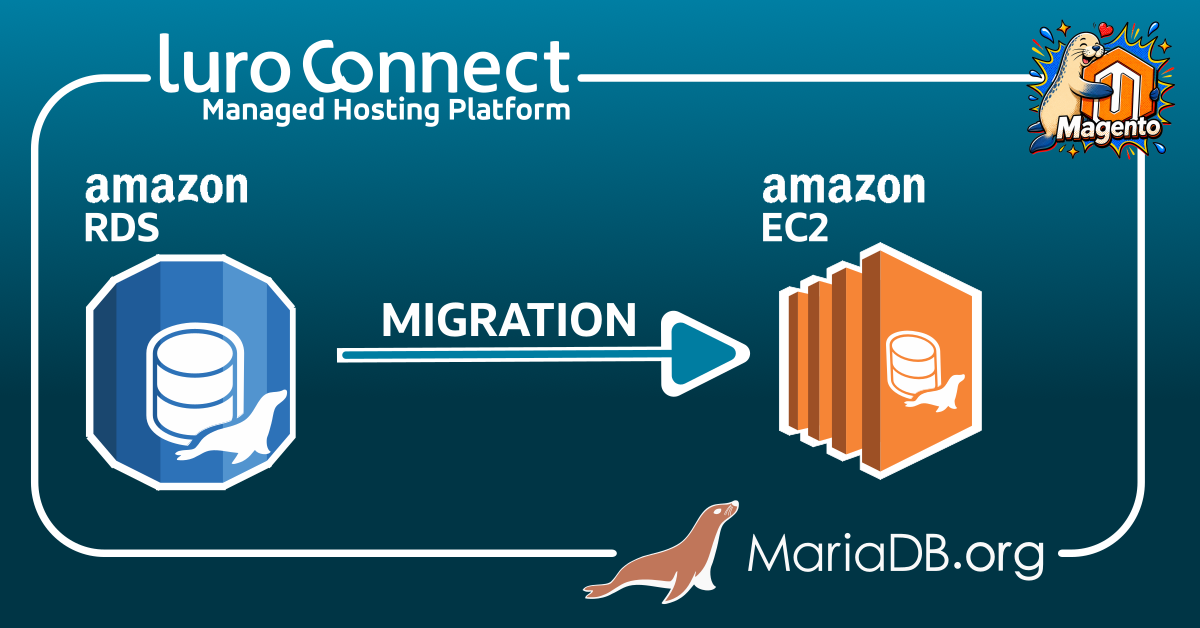
I always enjoy real production stories where MariaDB is used in demanding environments and the people involved are willing to share the architecture, the challenges, and the decisions made along the way.
Pradip Shah from luroConnect recently documented how his team migrated a 500+ GB production MariaDB database from Amazon RDS to self-managed MariaDB on EC2.
Moving from RDS to EC2 is often expected to bring significant cost savings because you are moving from a fully managed database service to […]
-
When AI Finds the Bugs We Missed: A Very Busy Year for MariaDB Security
You may have noticed that some recent MariaDB Server releases arrived a little later than expected. Sorry about that! But there is a good reason for it.
Over the last months, the MariaDB project has experienced something we had never seen before: a very large increase in security reports. And when I say large, look at this graph:
For years, we received a few security reports every quarter. Sometimes 3, sometimes 6, 11… the highest in the graph was 16.
-
TideSQL 5 and MariaDB: the Tides Are Moving Fast
A few months ago, I wrote about my first experiments with TideSQL, the MariaDB storage engine powered by TidesDB.
At that time, getting started meant building the TidesDB library, adding the TideSQL sources to the MariaDB source tree, compiling everything, installing the plugin and finally playing with:
It worked, and I liked what I saw.
But things are moving fast.
TideSQL 5.0.0 is now available, based on TidesDB 10, and I think it is time to have another look at […]
-
MariaDB 13.0 Is Now Stable
MariaDB Server 13.0 is now Stable!
The 13.0 series started its journey in March 2026 with the Preview. It then progressed through the Release Candidate phase and is now ready for general use as MariaDB’s latest Stable rolling release.
This is not a long-term support release, which means that an upgrade is relevant for you in the specific scenario that you want to try one of the new features described below. In a test or production environment. But this is […]
-
MariaDB Plugins Beyond C++: What the Community Told Us
A few weeks ago, we asked a simple question:
Which language would you use to write MariaDB plugins?
The question related to MDEV-40189 (Support plugins written in various languages), an idea we introduced earlier this summer to lower the barrier to MariaDB plugin development by supporting languages other than C and C++.
The poll is now closed, and 2,090 people voted.
And the results are interesting.
Python and Rust lead, but there is no single winner
Python takes first place […]
-
MariaDB Connector/C Compatibility: An Update on CONC-821
As a DBA, there are some surprises I enjoy. Discovering a useful feature is one of them. Discovering that an application behaves differently after a maintenance update is considerably further down the list.
Maintenance updates should provide security and bug fixes while also helping people keep their applications running smoothly. Updates should not change behavior, especially not during maintenance releases. Should that happen for some reason, users and maintainers need a clear explanation and a practical way forward.
That’s not […]
-
MariaDB at Percona Live Amsterdam 2026: Ecosystem, Plugins, Security, and Community
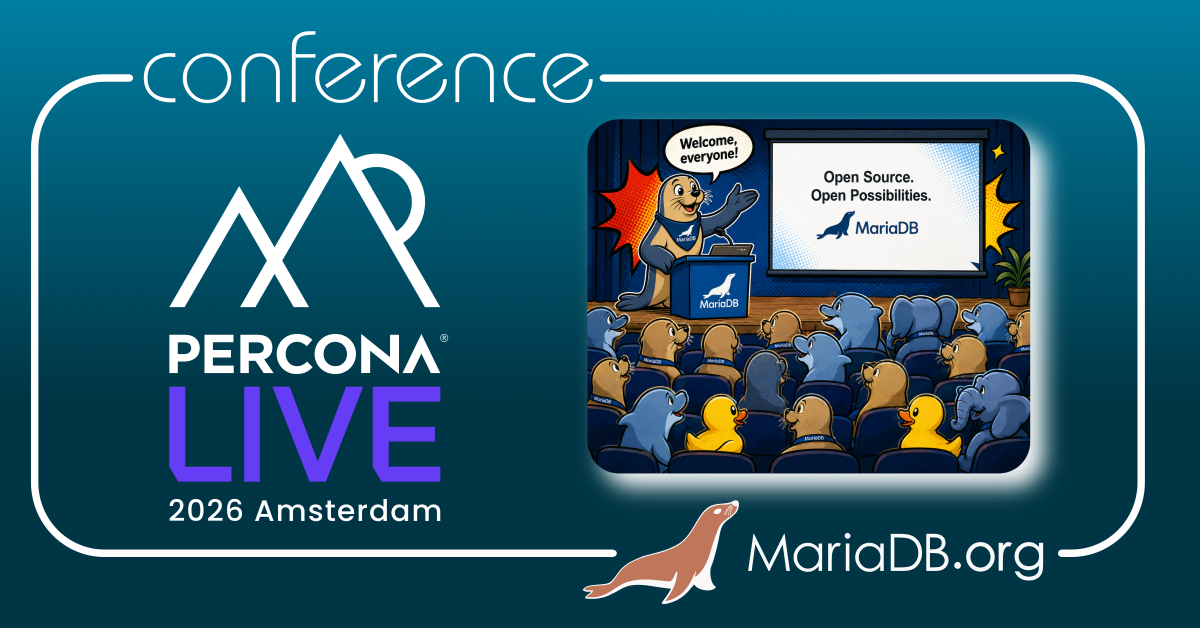
MariaDB is heading to Percona Live Amsterdam 2026! Join us for sessions on server plugins, protocol security and ecosystem building, hear independent MariaDB experiences, meet Percona’s new General Manager for MariaDB, and visit the MariaDB booth for demos and discussions with our engineers.
-
MariaDB Server 12.3, 11.8, 11.4 and 10.11 – Q3 2026 Maintenance Releases, and Goodbye 10.6
MariaDB Server maintenance releases are here!
On August 24, we released updates for our four currently maintained Long Term Support series:
As usual, these maintenance releases include bug fixes, stability improvements, and ongoing work across MariaDB Server.
You can find the complete release notes and changelogs for each version:
MariaDB 12.3.3
MariaDB 11.8.9
MariaDB 11.4.13
MariaDB 10.11.19
If you are running one of these MariaDB Server versions, we recommend reviewing the changelog and planning your upgrade.
Wait… where is MariaDB […]