
Author: Frédéric Descamps
-
MariaDB 13.1 Feature in Focus: BLOB, TEXT, JSON and GEOMETRY Support in the HEAP Engine
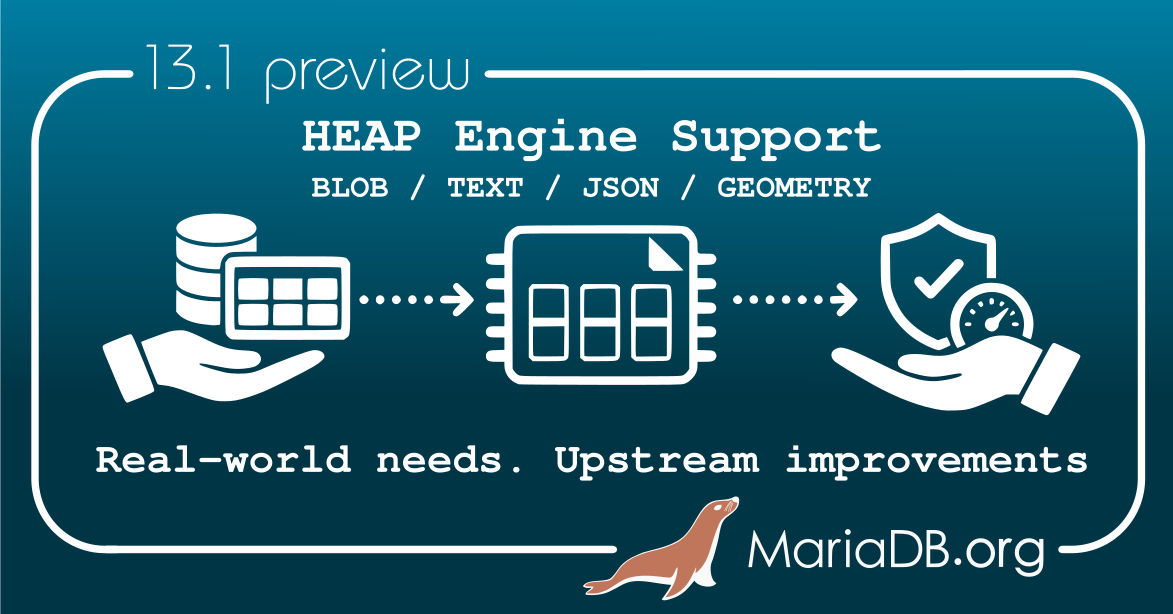
Some contributions improve MariaDB Server by adding new capabilities.
Some go further: they start from a concrete production problem with an existing feature, not a bug, but a design limitation, solve it upstream, and leave the whole ecosystem better off.
This is one of those contributions.
The platform team at Headout, a global platform that helps travelers discover and book curated real-life experiences, encountered a few inefficiencies in MariaDB Server around temporary tables and the HEAP engine. Instead of treating […]
-
MariaDB Foundation Sea Lion Champions Nominees: Federico Razzoli

Interview with Federico Razzoli, nominated in the Community Leadership category.
The MariaDB Foundation Sea Lion Champions program celebrates the people and organizations who help make the MariaDB ecosystem stronger, more open, and more useful for everyone.
Behind every open-source project, there are contributors whose work takes many forms. Some write code. Some review, test, document, teach, organize, advocate, support users, build tools, or bring MariaDB into production environments where it proves its value every day. Together, they help MariaDB remain […]
-
MariaDB Server Plugins: disabled functions
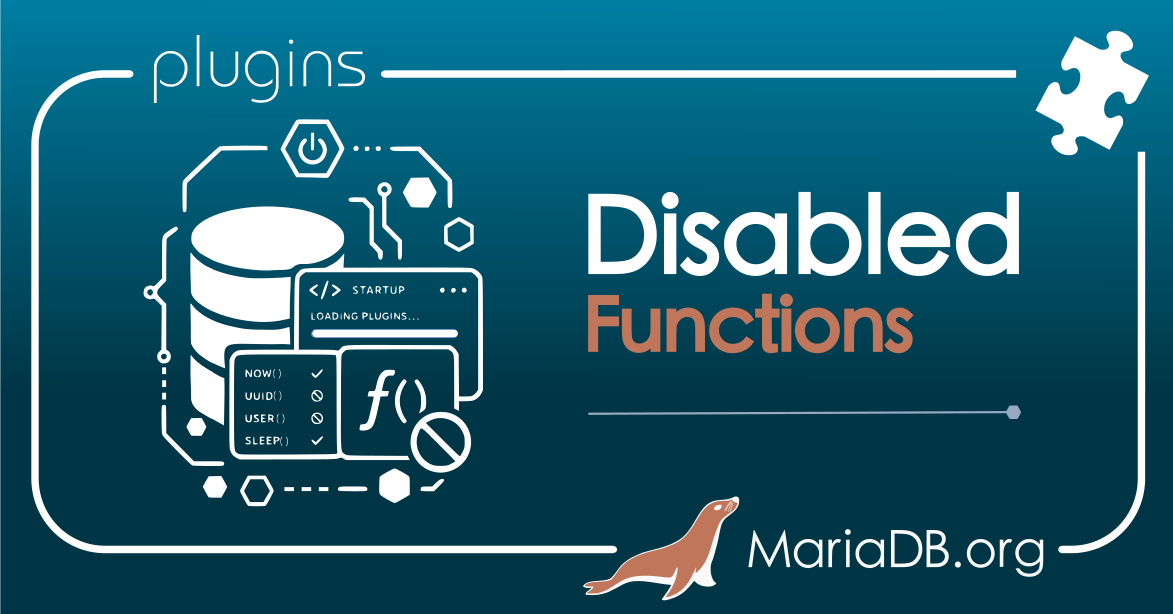
During the last MariaDB Foundation Board Meeting (24 June 2026), Barry shared how it can be difficult to deploy an upgrade immediately and that they sometimes have to wait for one that fixes security bugs. Wait for the validation, wait for the fix, and the release. Even if the MariaDB engineers are doing incredible work, it might still not be fast enough for the security team.
That’s where Barry requested MariaDB implement a query-rewriter plugin, like the one in MySQL, […]
-
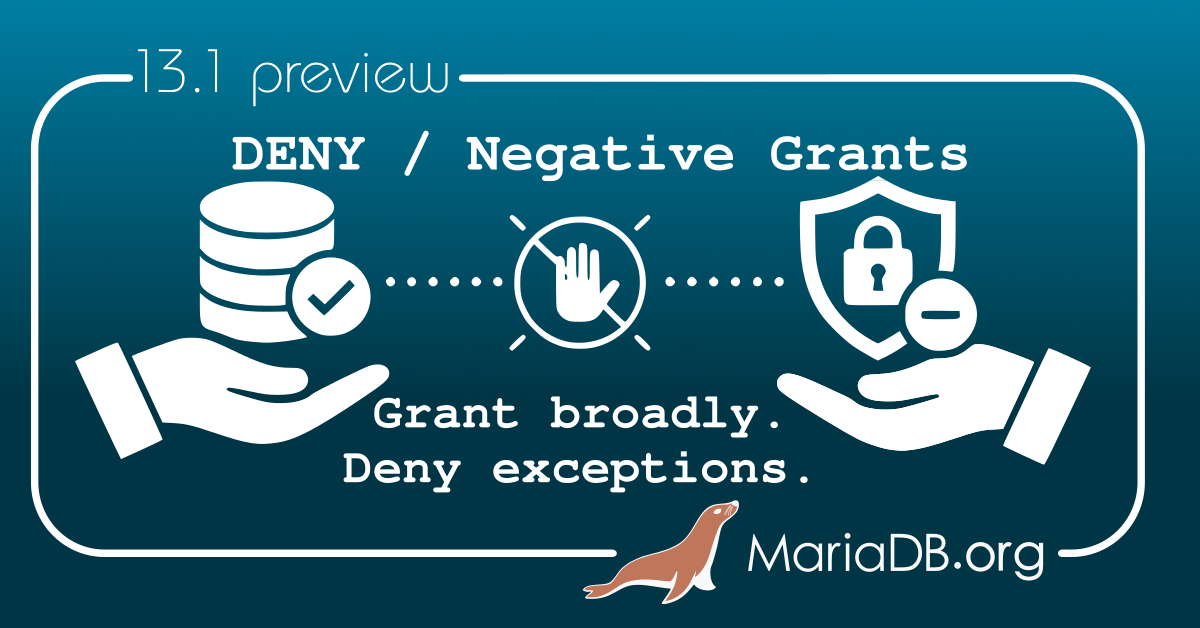
MariaDB 13.1 Feature in Focus: DENY / Negative Grants
MariaDB 13.1 Preview is full of nice things.
Some are immediately visible to developers, like the new JSON operators. Some are very useful to DBAs, such as configuration validation. And some are about making security and access control easier to manage.
Today, let’s look at one of those: DENY, also known as negative grants.
Yes, negative grants.
It sounds a bit strange the first time you hear it, but the idea is very simple:
Sometimes it is easier to say […]
-
Lowering the Barrier for MariaDB Plugin Development: Plugins in More Languages
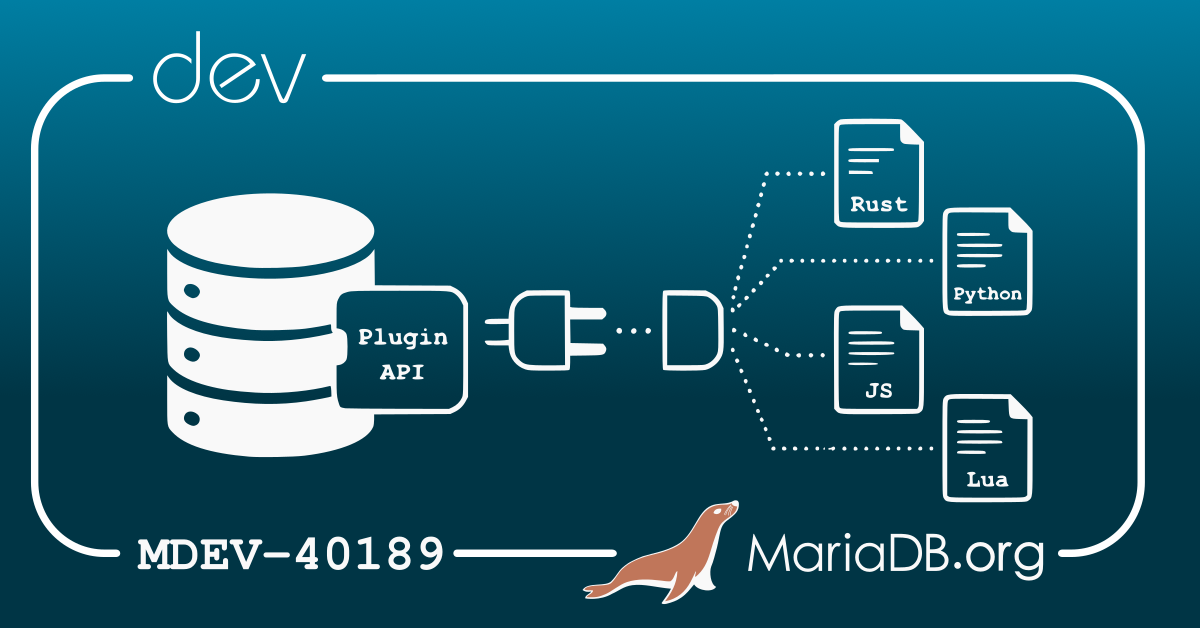
MariaDB Server has long supported a flexible plugin architecture. Plugins allow developers to extend server functionality in areas such as data types, auditing, storage engines, information schema tables, and more.
Today, MariaDB Server plugins are typically developed in C or C++, like the server’s codebase. At least for a while
Even with the current plugin-writing approach, familiarity with MariaDB internals is beneficial because it enables you to do things you otherwise cannot. But it is not required.
A new development […]
-
MariaDB Foundation Sea Lion Champions Nominees: Fariha Shaikh

The MariaDB Foundation Sea Lion Champions program celebrates the people and organizations who help make the MariaDB ecosystem stronger, more open, and more useful for everyone.
Today, we’re thrilled to introduce Fariha, a recent nominee for the MariaDB Foundation Sea Lion Champion program in the Technical Excellence category. Fariha’s journey into the world of databases and open-source contributions is both inspiring and a testament to the vibrant MariaDB community. We sat down with Fariha to discuss her path, her work, […]
-
MariaDB Privacy-First Stack: Nextcloud, Passbolt and MariaDB Server
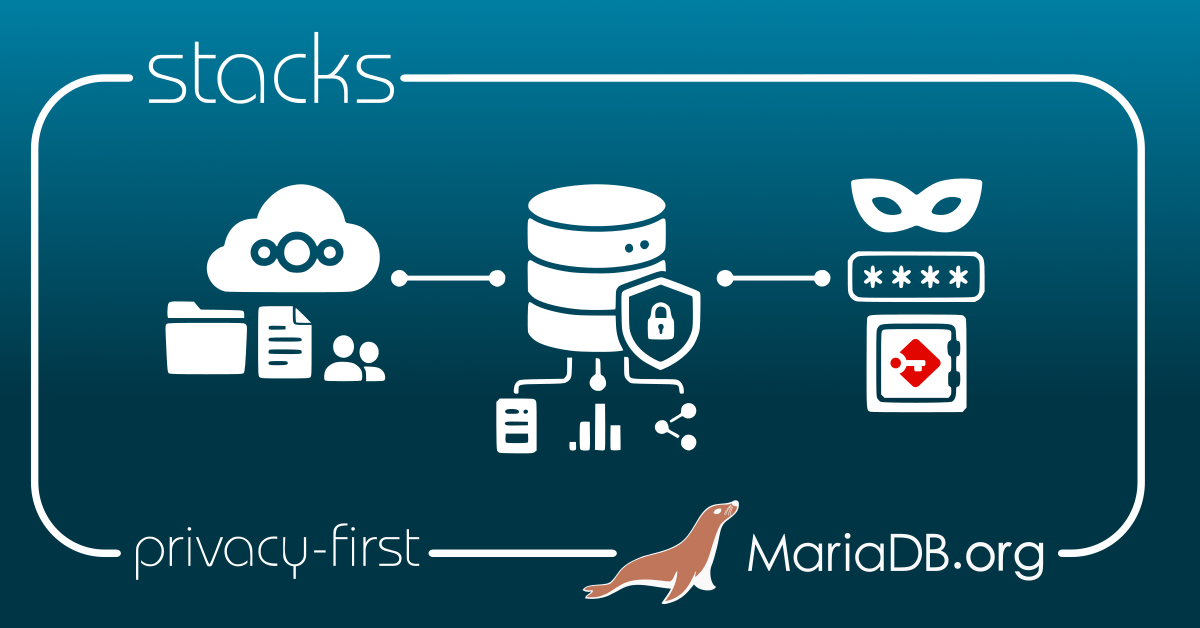
I hear this sentence a lot: “We care about privacy.”
Good.
But then you look a bit closer.
Files are on some cloud platform. Nobody is completely sure which settings were changed two years ago. Passwords are in browsers, in chat messages, sometimes in a document with a name like credentials-final-v3. Backups? “The provider handles that.” Maybe. Where is the data exactly? “In Europe, normally.” Who has access? That’s when the room becomes quiet.
I don’t call that a privacy […]
-
MariaDB 13.1 Preview: This One Is Full of Community Goodies!
We just announced the availability of a preview of the MariaDB 13.1 series.
MariaDB 13.1 is a rolling release preview, and, as usual, this is the right moment to test what is coming, give feedback, and help us polish the next MariaDB Server release.
But this time, there is something really interesting.
And by “interesting”, I mean: wow!
MariaDB 13.1 Preview includes 32 MDEVs with new features and improvements. To put that in perspective:
That is almost twice MariaDB 13.0, […]