
Blog
-
Database changes should be SCARY
“The only workload that matters is my production workload” (for all values of “my”). So you can manage this responsibility, SCARY is a software tool which aims to take the uncertainty out of change; software, configuration and hardware changes. This is very early in development, but projects have to start somewhere.
SCARY takes a read view of the production database query execution, and does the equivalent query on a copy of the production database, that has differences. The query speed, […]
-
MariaDB 11.2.1, 11.1.2 now available
The MariaDB Foundation is pleased to announce the availability of MariaDB 11.2.1, the first Release Candidate in the MariaDB 11.2 series, and MariaDB 11.1.2, the first stable release in the MariaDB 11.1 series. Both are short-term series and will be maintained for one year after their respective G.A (stable) releases.
See the release notes and changelogs for details.
Download MariaDB 11.2.1
Release Notes Changelog What is MariaDB 11.2?
Download MariaDB 11.1.2
Release Notes Changelog What is MariaDB 11.1?
MariaDB APT […]
-
What programming languages do your applications that communicate with MariaDB use?
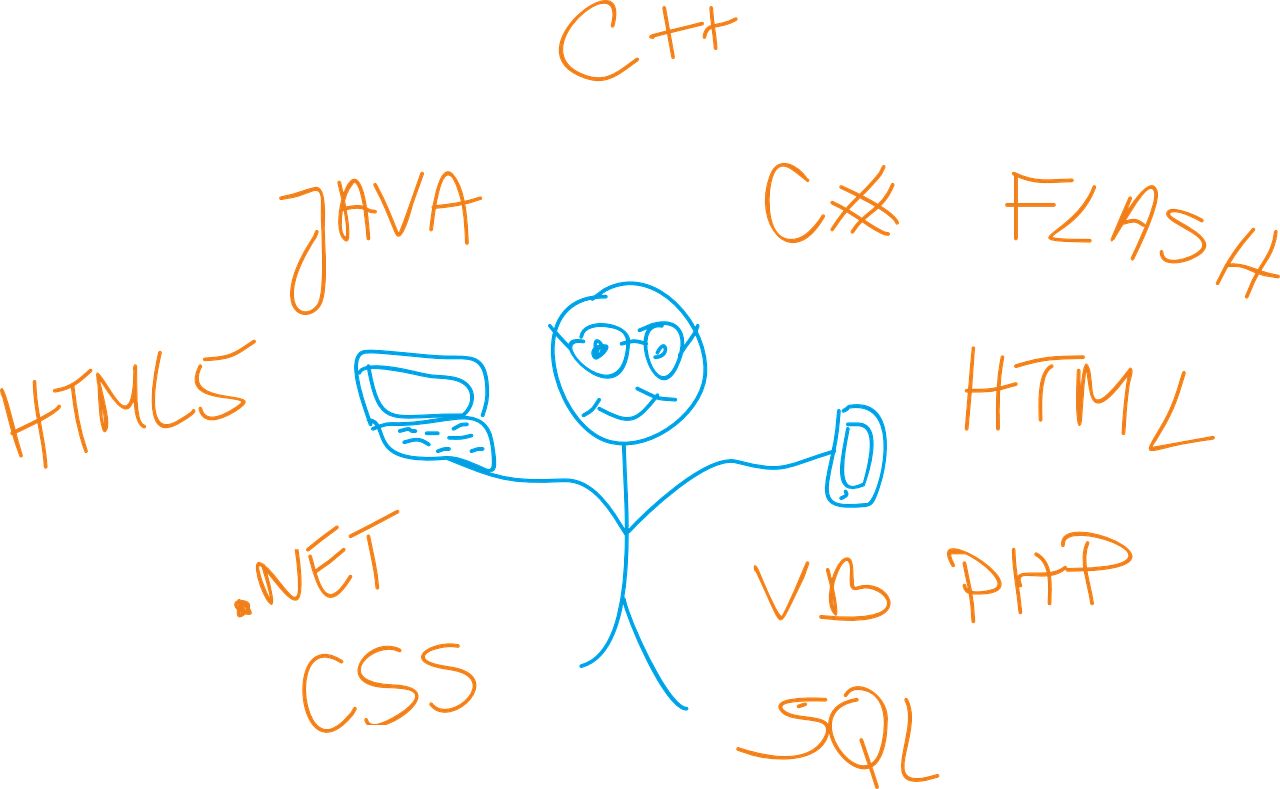
MariaDB Foundation polls are an informal way to get feedback from our community. They’ve always been a bit hidden, but the most recent poll sat on the mariadb.org front page for a while, and got a healthy 5,225 votes.
It asked “What programming languages do your applications that communicate with MariaDB use?”, and here are the results:
How do we use these results? Without reading too much into them, as it is an uncontrolled internet poll after all, we use […]
-
MariaDB 11.0.3, 10.11.5, 10.10.6, 10.9.8, 10.6.15, 10.5.22, 10.4.31 now available
The MariaDB Foundation is pleased to announce the availability of MariaDB 10.11.5, MariaDB 10.6.15, MariaDB 10.5.22 and MariaDB 10.4.31, the latest stable releases in their respective long-term series (maintained for five years from their first stable release dates), as well as MariaDB 11.0.3, MariaDB 10.10.6 and MariaDB 10.9.8, the latest stable releases in their respective short-term series (maintained for one year).
See the release notes and changelogs for details.
Download MariaDB 11.0.3
Release Notes Changelog What is MariaDB 11.0?
Download […]
-
Join us in planning the MariaDB Server Roadmap

MariaDB Foundation is having its next planning session for the MariaDB Server Roadmap at our MariaDB Unconference Tue-Wed 3-4 October 2023.
All key contributors will be there
This will be a top-level meeting with representatives of all key contributors to MariaDB Server. From MariaDB plc, we will have CTO Jonah Harris and VP Server Engineering Sergei Golubchik representing management and resource allocation. But MariaDB Server is not a one-vendor product. We expect similar level representation from our second-biggest contributor, Amazon, […]
-
Run and operate MariaDB in Kubernetes with mariadb-operator

Effective utilization of mariadb-operator to manage MariaDB instances in Kubernetes using custom resources, promoting a declarative approach instead of relying on imperative commands.
-
On yearly goals, plc woes and habits at MariaDB Foundation

When setting long-term goals, striking the right balance is difficult: Not too generic (fluffy), not too specific (micromanagement). Not too few (lack of challenges), not too many (overwhelming). Consistently focusing on core values, while adapting to changes in the environment.
MariaDB Foundation’s internal goal setting process for 2023 seems to be working out well – and some lessons learned may be of interest even to our community.
The most important lesson learned is about our half-year review.
Adverse conditions when […]
-
Help us redesign the mariadb.org website

We are currently redesigning the mariadb.org website and you are invited to participate in this process. The interactive study shouldn’t take longer than 10 to 15 minutes to complete and will close at midnight on Thursday 20 July 2023 (UTC-8).
Access the study here: (no registration or login is required)
The activity involves a method called Card Sorting, which will influence how we design the information architecture of the website: its structure, navigation and the findability of content and functionality. […]