
Blog
-
Community Spotlight: Slava Rozhnev and SQLtest.online
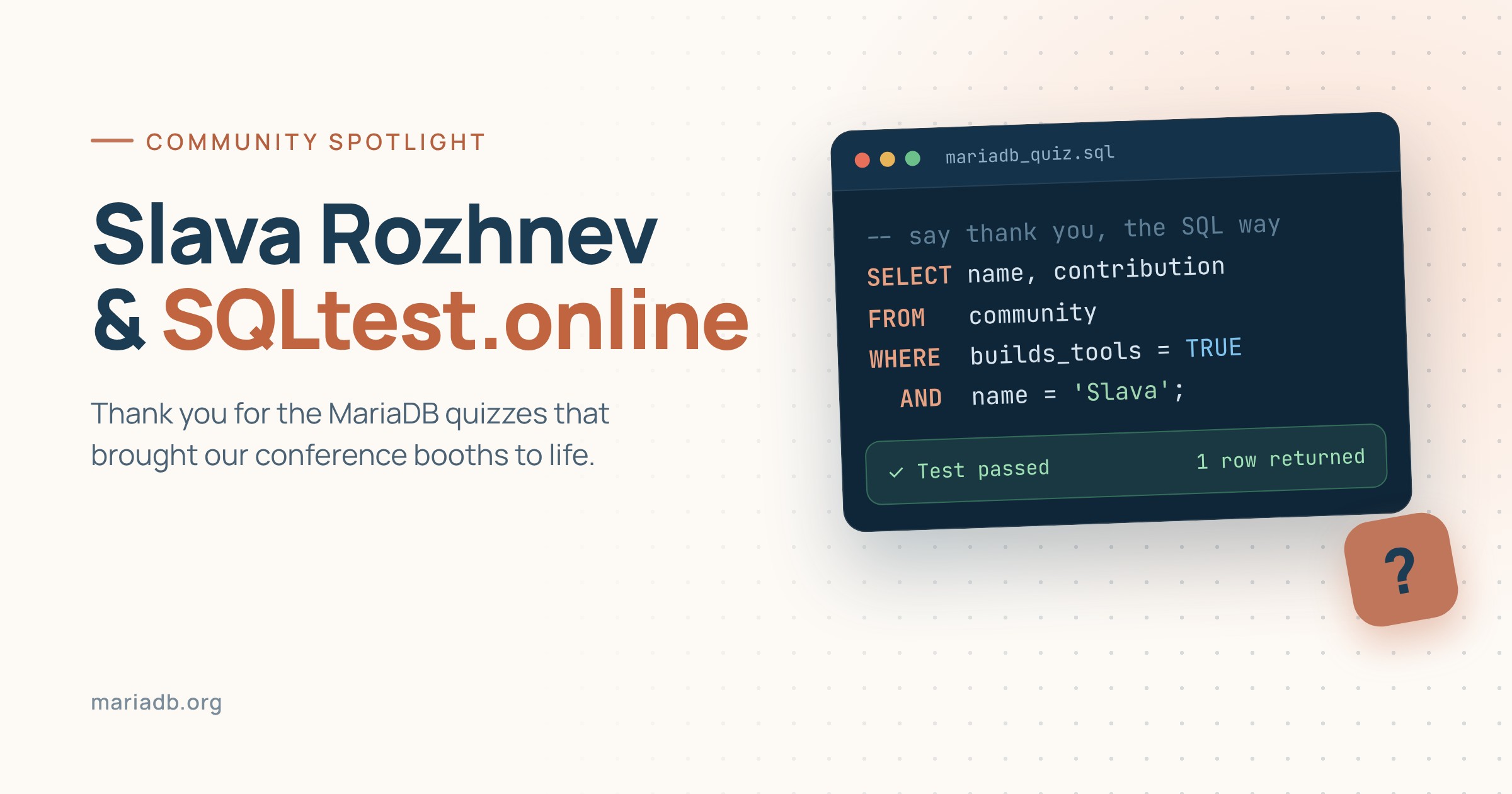
Open source runs on people. Not only the engineers who commit code, but everyone who builds tools, answers questions, writes tutorials and shows up when help is needed. Slava Rozhnev, creator of SQLtest.online, is one of those people for MariaDB. He has been creating SQL quizzes with the MariaDB Foundation for a while now, and this post is our way of saying thank you.
A collaboration that keeps growing
Slava’s work with the Foundation goes back further than this year’s […]
-
Building a Public Performance Change Detection Library for MariaDB
Performance engineering inside a database project is usually private. Teams run internal workloads, investigate changes, fix issues, and move on. The knowledge stays inside the company, and the outside world only sees a benchmark graph or a release note.
I know this pattern well — I spent more than twenty‑six years doing this work for both PervasiveSQL and MySQL.
The investigations were deep, the lessons were real, but almost none of it was visible to the outside world.
The surprises, […]
-
Open Source milestone – MariaDB’sEcosystem hub hits 200 solutions
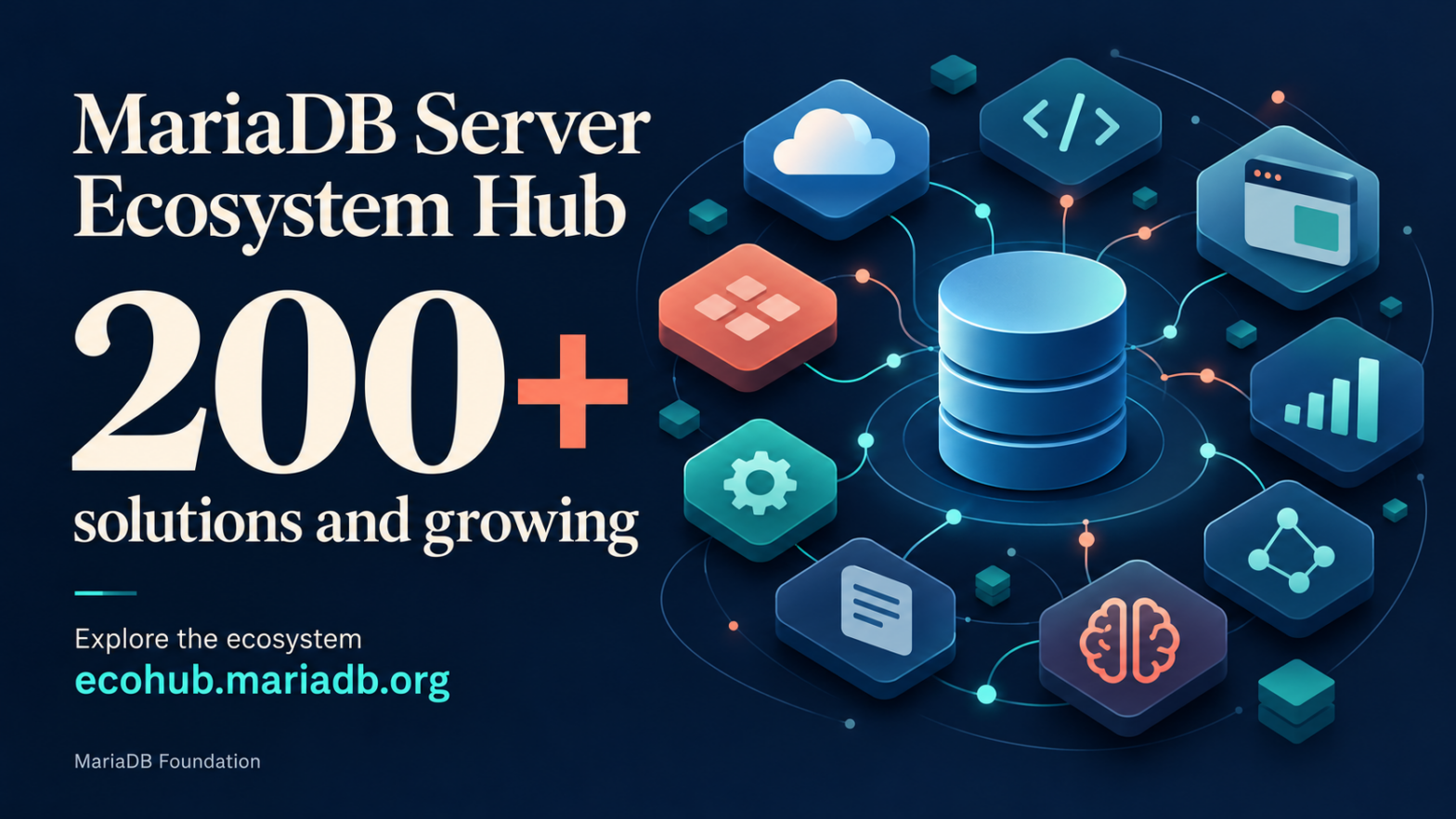
New ‘App store of open source’ is one stop shop serving the fast-growing MariaDB community’s needs for applications, developer tools, cloud platforms and projects.
The MariaDB Foundation today announces the MariaDB Server Ecosystem Hub has exceeded 200 entries, just six months after launch.
The Hub is a curated, open directory of MariaDB Server approved products, services and open-source projects. The ecosystem spans cloud and hosting platforms, monitoring and observability, backup and recovery, security, migration, connectivity, DevOps, analytics, AI and application […]
-
Laravel 13 now supports MariaDB Vector natively
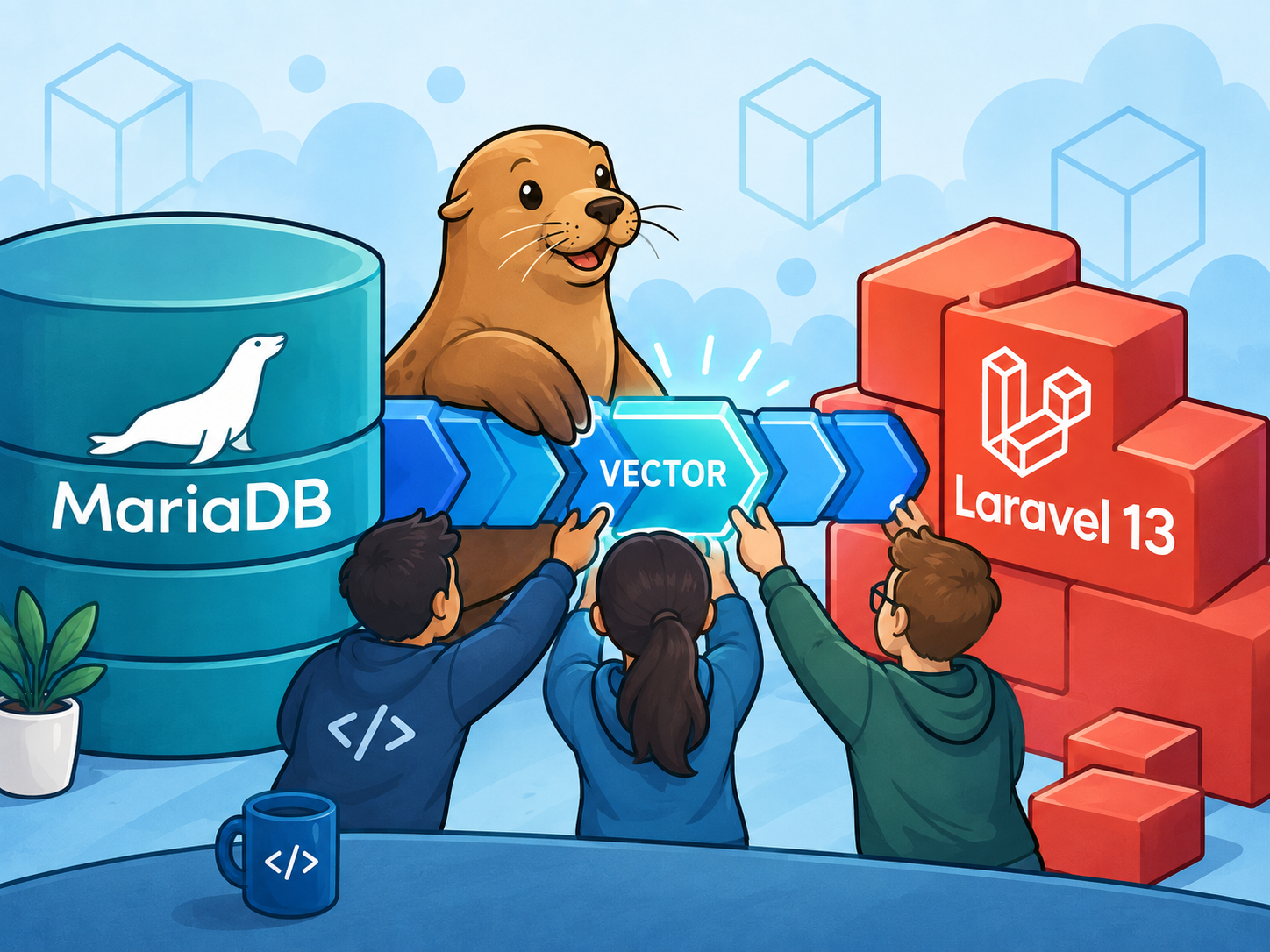
If your Laravel application runs on MariaDB, you can add semantic search to it without a second database, an external vector service or an extra package. Since Laravel 13.28, vector columns, vector indexes and similarity queries work on MariaDB out of the box. A large part of that work came from community contributors, including Mohamed Touhami Rhaima.
Until this summer, Laravel’s built-in vector search was a PostgreSQL feature: it assumed pgvector. Laravel’s AI SDK documentation now reads: “Vector queries are currently supported on […]
-
Frappe joins MariaDB Foundation as a Silver Sponsor
MariaDB Foundation welcomes Frappe as a Silver Sponsor.
Frappe builds open-source software for running organisations, including ERPNext, Frappe HR and Frappe CRM. Its applications are built on Frappe Framework, where MariaDB is the default database. That makes MariaDB part of the infrastructure behind the work Frappe users do every day, from managing finances and inventory to serving customers.
“Frappe shows what open-source software can deliver when the entire stack is available for people to use, adapt and improve,” said Anna […]
-
MariaDB Foundation Adds PostgreSQL to Its Engine‑Agnostic Testing Framework (TAF).
The Test Automation Framework (TAF) was designed so that database makers themselves could create a plugin and integrate their database engine directly into the framework.
TAF provides the structure — lifecycle management, workload execution, profiling, reporting, and reproducible properties files — and each database plugin supplies the engine‑specific logic.
The first two plugins added to TAF were MariaDB and MySQL, proving the model: database vendors can plug their engine into TAF and immediately gain automated installs, structured workloads, concurrency sweeps, […]
-
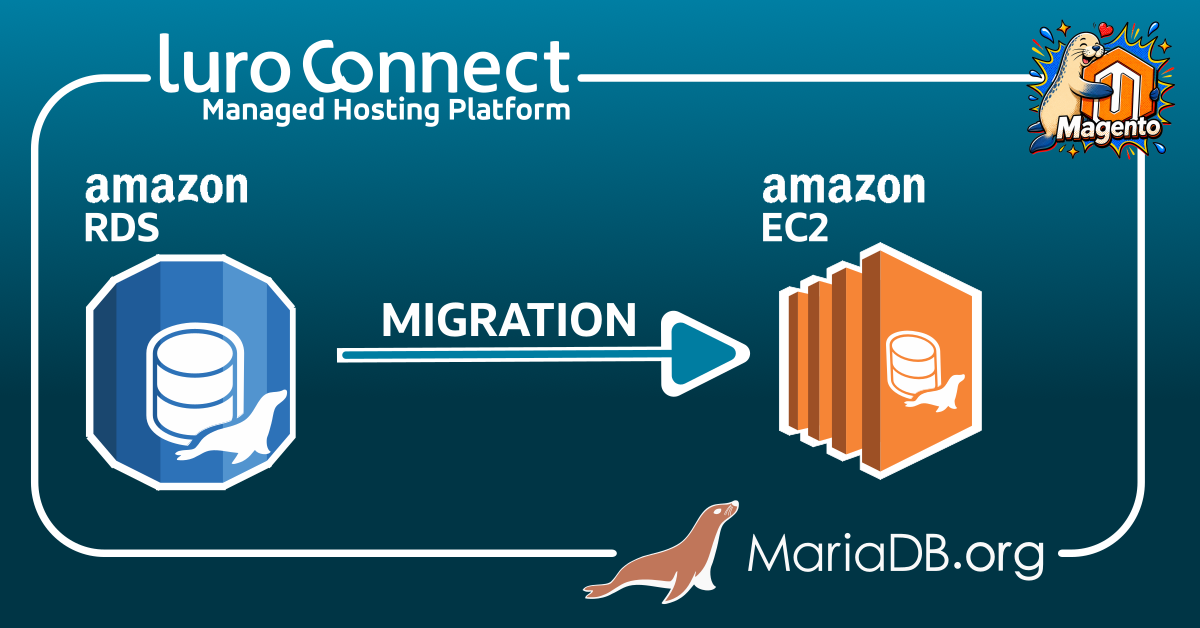
Migrating a 500 GB Production MariaDB Database from Amazon RDS to EC2, With a Rollback Path
I always enjoy real production stories where MariaDB is used in demanding environments and the people involved are willing to share the architecture, the challenges, and the decisions made along the way.
Pradip Shah from luroConnect recently documented how his team migrated a 500+ GB production MariaDB database from Amazon RDS to self-managed MariaDB on EC2.
Moving from RDS to EC2 is often expected to bring significant cost savings because you are moving from a fully managed database service to […]
-
MariaDB Foundation: Auto‑Generated User Properties in TAF 4.0 — The Piece for Ensuring Full Test Reproduction
TAF’s reproducibility story just gained its most important upgrade: every test case now produces a fully resolved, auto‑generated user properties file.
This file captures exactly what the run used — not what the user intended, not what was passed in, but the final, authoritative configuration TAF executed. It removes ambiguity, eliminates hidden dependencies, and makes every test case a fully self‑describing artifact.
This feature builds directly on the work introduced in the previous blog, where TAF gained support for embedding […]